Bollywood Music After the Masala Era: Romance, Emotion and a New Sound (1988–2005)
After the high-energy spectacle of the Masala era, Bollywood film music entered a deeply transformative phase between the late 1980s and early 2000s. Music became more emotion-driven, melodic, and story-oriented, reflecting changing audience tastes and a rapidly modernizing Indian society.
🎶 Bollywood Music After the Masala Era (1988–2005)
Romantic ballads, soulful solos, and carefully composed background scores began to replace loud, purely rhythmic numbers. This era emphasized feelings—love, heartbreak, longing, and hope—making music an emotional extension of the narrative rather than a standalone attraction. Technological advancements such as digital recording, synthesizers, and multi-track production refined sound quality and expanded creative possibilities. Film songs from this period crossed regional and international boundaries, shaping pop culture, fashion, and youth identity.
The post-Masala era laid the foundation for contemporary Bollywood music by balancing tradition with global influences while restoring emotional depth to cinematic storytelling.
🎼 The Role of Composers
Composers played a decisive role in redefining Bollywood music during this era by shifting focus from mass spectacle to melodic sophistication and emotional resonance. Their work blended classical Indian sensibilities with Western orchestration, soft rock, jazz, and electronic textures. Background scores became subtler and more integrated into storytelling, enhancing mood rather than overpowering scenes.
Music directors began experimenting with silence, acoustic arrangements, and theme-based compositions that followed characters’ emotional arcs. This period also witnessed stronger collaboration between composers, lyricists, and filmmakers, resulting in cohesive soundtracks rather than isolated hit songs. The evolving musical language elevated Bollywood cinema’s artistic credibility and allowed film music to stand independently as a serious creative medium.
Top 5 Bollywood composers from the Post-Masala Era
-
A. R. Rahman – Known for revolutionizing Bollywood music with a global soundscape blending Indian classical, electronic, and world music.
Notable films: Roja (1992), Dil Se (1998), Taal (1999) -
Jatin–Lalit – Famous for timeless romantic melodies that defined 1990s Bollywood love stories.
Notable films: Dilwale Dulhania Le Jayenge (1995), Kuch Kuch Hota Hai (1998), Kabhi Khushi Kabhie Gham (2001) -
Nadeem–Shravan – Known for emotionally rich, melody-driven soundtracks with strong popular appeal.
Notable films: Aashiqui (1990), Saajan (1991), Raja Hindustani (1996) -
Anu Malik – Recognized for versatility, combining romantic tunes with experimental and pop-infused sounds.
Notable films: Baazigar (1993), Border (1997), Refugee (2000) -
Viju Shah – Known for stylish background scores and energetic themes, especially in action and thriller films.
Notable films: Mohra (1994), Gupt (1997), Tridev (1989)
✍️ Lyricists and the Power of Words
Lyricists during the post-Masala era brought poetry, emotional subtlety, and conversational realism back into Bollywood songs. Lyrics moved away from exaggerated expressions and focused instead on personal emotions, relationships, and inner conflicts. Words became more intimate, often reflecting everyday language while retaining poetic depth.
Songs explored themes of unspoken love, separation, nostalgia, and spiritual longing, resonating strongly with audiences across generations. Lyricists helped redefine film music as a medium for emotional storytelling, giving voice to characters’ inner worlds and strengthening the emotional impact of cinematic moments.
Top 5 Bollywood lyricists from the Post-Masala Era
-
Gulzar – Celebrated for poetic, metaphor-rich lyrics with emotional and philosophical depth.
Notable songs: Jiya Jale in movie Dil Se (1998), Ae Ajnabi in movie Dil Se (1998), Tu Hi Re in movie Bombay (1995) -
Sameer – Known for simple, heartfelt romantic lyrics that connected with mass audiences.
Notable songs: Dheere Dheere Se in movie Aashiqui (1990), Pardesi Pardesi in movie Raja Hindustani (1996), Chura Ke Dil Mera in movie Main Khiladi Tu Anari (1994) -
Anand Bakshi – Famous for emotionally accessible lyrics spanning romance, patriotism, and drama.
Notable songs: Tujhe Dekha Toh in movie Dilwale Dulhania Le Jayenge (1995), Mere Khwabon Mein in movie DDLJ (1995), Pehla Nasha in movie Jo Jeeta Wohi Sikandar (1992) -
Javed Akhtar – Renowned for sophisticated, literary lyrics with emotional clarity.
Notable songs: Sandese Aate Hai in movie Border (1997), Ek Ladki Ko Dekha in movie 1942: A Love Story (1994), Kabhi Alvida Naa Kehna in movie KANK (2006) -
Mehboob – Known for modern, youthful lyrics with a strong emotional hook.
Notable songs: Tu Hi Re in movie Bombay (1995), Kehna Hi Kya in movie Bombay (1995), Humma Humma in movie Bombay (1995)
🎤 Singers and Emotional Expression
Playback singers of this era became the emotional voice of an entire generation. Their singing styles emphasized softness, vulnerability, and emotional nuance rather than sheer power. Romantic solos, melancholic tracks, and soulful duets dominated soundtracks, allowing singers to convey deep feelings with subtle modulation.
Vocal identity became closely associated with on-screen stars, strengthening emotional connection with audiences. Singers also adapted to changing musical styles, blending classical training with pop and Western influences. Their voices defined the emotional memory of countless films and remain iconic even decades later.
Top 5 Bollywood singers from the Post-Masala Era
-
Kumar Sanu – Known for defining the sound of 1990s romantic Bollywood music.
Films: Aashiqui (1990), Baazigar (1993), Raja Hindustani (1996) -
Udit Narayan – Famous for his warm, expressive voice ideal for romantic melodies.
Films: Dilwale Dulhania Le Jayenge (1995), Rangeela (1995), Lagaan (2001) -
Alka Yagnik – Celebrated for melodious, emotionally rich female playback singing.
Films: Saajan (1991), Kuch Kuch Hota Hai (1998), Hum Dil De Chuke Sanam (1999) -
Sonu Nigam – Known for versatility and smooth transition between classical and modern styles.
Films: Border (1997), Kal Ho Naa Ho (2003), Veer-Zaara (2004) -
Hariharan – Renowned for soulful, classical-influenced playback singing.
Films: Bombay (1995), Border (1997), Saathiya (2002)
🎧 Musical Genres of the Era
The post-Masala era embraced musical diversity while maintaining emotional cohesion. Romantic ballads dominated soundtracks, supported by ghazals, semi-classical compositions, and soft pop influences. Western elements such as acoustic guitar, orchestral strings, and ambient synthesizers added modern texture without overshadowing melody. Sufi-inspired music gained popularity, introducing spiritual depth to film narratives. This era balanced innovation and tradition, creating soundtracks that felt timeless and emotionally grounded rather than trend-driven.
Top 5 Musical Styles from the Post-Masala Era
- Romantic Ballads – Emotion-driven melodies focused on love, longing, and personal relationships.
- Ghazal-Inspired Music – Poetic, slow-tempo compositions emphasizing lyrical depth and classical roots.
- Sufi and Spiritual Fusion – Mystical themes combined with modern arrangements for emotional impact.
- Soft Pop and Acoustic – Light, contemporary sounds influenced by Western pop and folk.
- Orchestral Film Scores – Background music using strings and themes to enhance cinematic storytelling.
🌟 Influence, Aesthetic, and Legacy
Music from the post-Masala era reshaped Bollywood’s visual and emotional language. Song picturization became more intimate, realistic, and aesthetically refined, often shot in natural locations and integrated seamlessly into narratives.
The influence of this era extended beyond cinema, shaping Indian pop music, television, and global perceptions of Bollywood. Its legacy lies in restoring emotional authenticity and melodic integrity to film music while embracing modern production techniques.
By the mid-2000s, changing audience tastes and digital consumption marked the transition to a new experimental phase, but the emotional richness of this era remains unmatched.
🎶 Top 30 Bollywood Songs of The Post-Masala 1988–2005
| Song Title | Singer | Movie | Year |
|---|---|---|---|
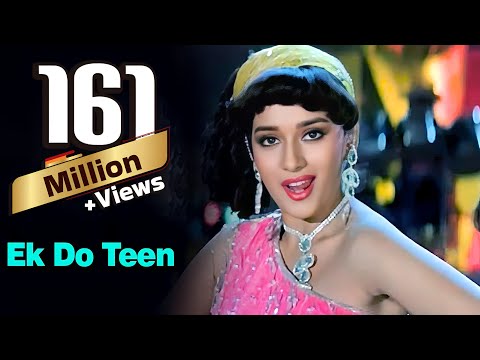
| Ek Do Teen | Alka Yagnik | Tezaab | 1988 |
| Tu Cheez Badi Hai Mast Mast | Udit Narayan, Kavita Krishnamurthy | Mohra | 1994 |
| Pehla Nasha | Udit Narayan, Sadhana Sargam | Jo Jeeta Wohi Sikandar | 1992 |
| Tujhe Dekha To | Lata Mangeshkar, Kumar Sanu | Dilwale Dulhania Le Jayenge | 1995 |
| Chura Ke Dil Mera | Alka Yagnik, Kumar Sanu | Main Khiladi Tu Anari | 1994 |
| Dil To Pagal Hai | Lata Mangeshkar, Udit Narayan | Dil To Pagal Hai | 1997 |
| Tip Tip Barsa Pani | Alka Yagnik, Udit Narayan | Mohra | 1994 |
| Humko Humise Chura Lo | Lata Mangeshkar, Udit Narayan | Mohabbatein | 2000 |
| Saathiya Tune Kya Kiya | S. P. Balasubrahmanyam, Chitra | Love | 1991 |
| Yeh Kaali Kaali Aankhen | Kumar Sanu | Baazigar | 1993 |
| Ek Ladki Ko Dekha | Kumar Sanu | 1942: A Love Story | 1994 |
| Jaadu Teri Nazar | Udit Narayan | Darr | 1993 |
| Kal Ho Naa Ho | Sonu Nigam | Kal Ho Naa Ho | 2003 |
| Tum Dil Ki Dhadkan Mein | Abhijeet, Alka Yagnik | Dhadkan | 2000 |
| Suraj Hua Maddham | Sonu Nigam, Alka Yagnik | Kabhi Khushi Kabhie Gham | 2001 |
| Chaiyya Chaiyya | Sukhwinder Singh, Sapna Awasthi | Dil Se | 1998 |
| Kehna Hi Kya | Chitra | Bombay | 1995 |
| Tu Hi Re | Hariharan, Kavita Krishnamurthy | Bombay | 1995 |
| Mitwa | Shankar Mahadevan | Kabhi Alvida Naa Kehna | 2006 |
| Ae Kash Ke Hum | Kumar Sanu | Kabhi Haan Kabhi Naa | 1994 |
| Do Dil Mil Rahe Hain | Kumar Sanu | Pardes | 1997 |
| Aankhon Ki Gustakhiyan | Kumar Sanu, Kavita Krishnamurthy | Hum Dil De Chuke Sanam | 1999 |
| Ghar Se Nikalte Hi | Udit Narayan | Papa Kehte Hai | 1996 |
| Jiya Jale | Lata Mangeshkar | Dil Se | 1998 |
| O Rey Chhori | Udit Narayan, Alka Yagnik | Lagaan | 2001 |
| Taal Se Taal Mila | Alka Yagnik, Udit Narayan | Taal | 1999 |
| Kuch Kuch Hota Hai | Udit Narayan, Alka Yagnik | Kuch Kuch Hota Hai | 1998 |
| Abhi Mujh Mein Kahin | Sonu Nigam | Agneepath | 2012 |
| Main Yahaan Hoon | Udit Narayan | Veer-Zaara | 2004 |
| More information about Best Bollywood Movie Songs in category Top Songs | |||